“Hello Cleveland!”
It sounds a great name for a rock band: The Bringers of Disturbance. Just imagine them opening for the Rolling Stones in 1965, a double bill tailor-made to get parents in a lather. (Cue lines such as: “I don’t know what you hear in that racket,” and “You are not going out dressed like that.)
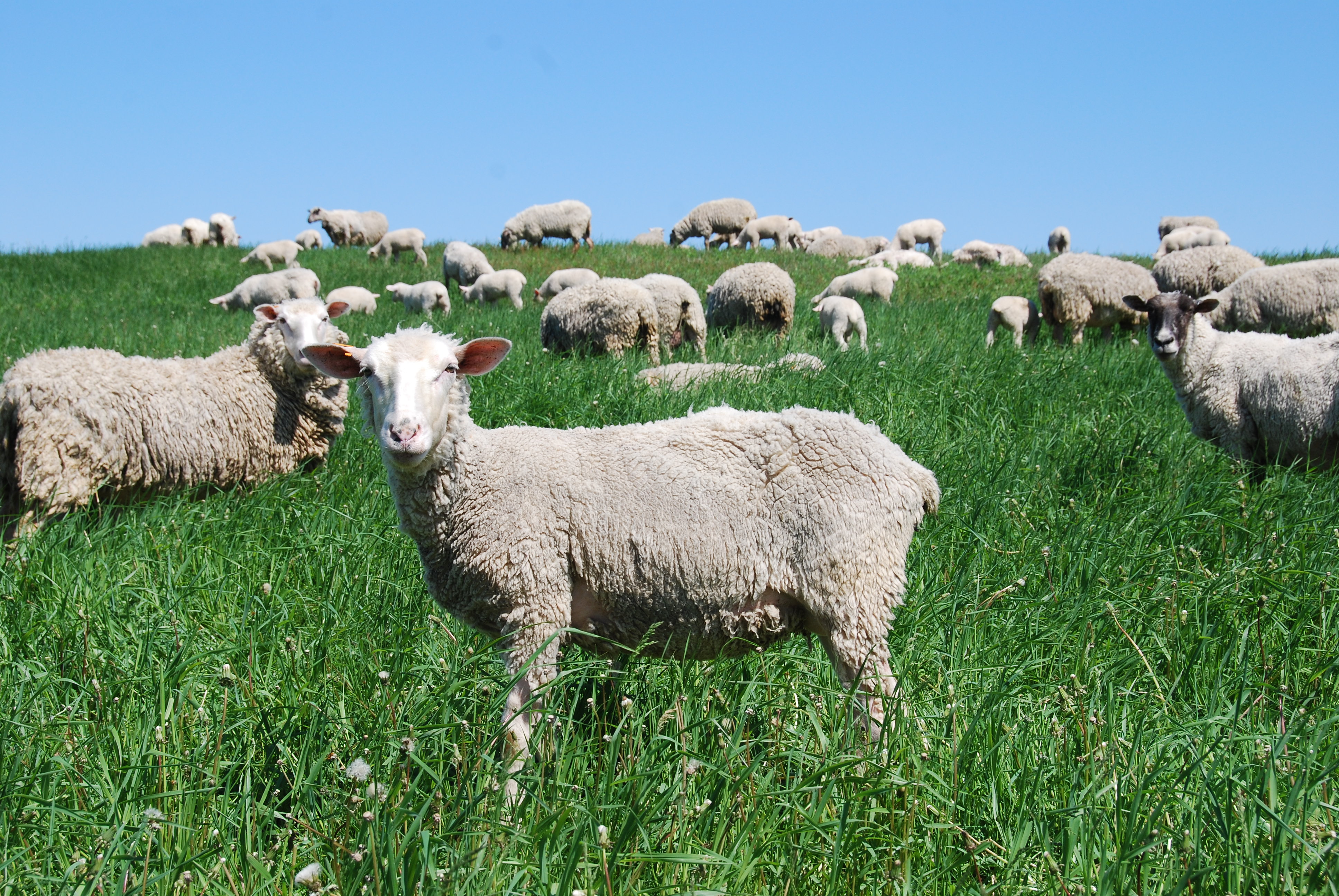
Unfortunately, my Bringers of Disturbance – the four-legged, woolly ones – have yet to achieve classic rock status, and lack the monetary satisfaction enjoyed by Mick Jagger et al. Occasionally emitting a raucous chorus of baas, this placid-looking group tours from May until November or December. They seldom encounter cheering fans, and rarely upset parents.
But on their home turf, they have an impact akin to the Who’s famous 1976 London concert – the one listed in the Guinness Book of World Records of the day as the loudest rock performance ever. That show must have left even sober fans dazed and deafened, and when the sheep leave their stage, the grass looks similarly stunned. Weeds are flattened. Small shrubs or nascent trees are stripped bare.
It may look like carnage, but it’s actually the sort of disturbance grasses need to thrive, maintain their hold on the landscape, and ensure the cycle repeats. Within days, the sward will shake off the effects of the grazers’ performance, and start growing again.
That’s because grass is resilient. If you cut it, burn it, or bite it off, it grows back. Unlike trees and shrubs, grass’s cell factory – the structure that grows new leaves and shoots – is near the soil, tucked away from biting teeth and insulated from heat of fires. Trees, on the other hand, have their “apical meristems” (the production centres for new growth) at the tips of the trunk and branches. These woody plants tend to fare poorly if they’re cut, chewed off, or burned in the sort of high-intensity wildfire grasslands are prone to.
Grasses have evolved both to tolerate these disturbances, and perhaps even to facilitate them as a way to fend off encroaching forests. Dormant grasses provide fuel for the fires that kill competing trees and shrubs. Green, growing grasses draw the grazing animals that trample and browse woody invaders. Animals congregating in grazing areas must have inevitably attracted human hunters. Eventually, those hunters, or their descendents used fire to manipulate the landscape to entice more grazers. At some point, the animals became domesticated as livestock, and many of those grazing areas became fields.
So here I am, a descendent of Neolithic herders turned tour manager for The Bringers of Disturbance. I keep the flock on schedule, field their requests for mineral, water, and M&Ms, and ward off the coyotes that stalk them like paparazzi.
The key is to ensure TBOD don’t wear out their welcome, performing more frequently than the grass can handle. In our grazing system, sheep and cattle are typically moved to a fresh paddock every day. The goal is to have fairly uniform grazing to encourage grass regrowth, while leaving at least a little leaf area on the plants to spur photosynthesis. The sheep also spread manure and urine across the paddock, reducing the need for outside fertilizers. In another four to six weeks, when the grass has recovered, the band plays an encore.
The goal is to mimic a natural grassland system, while harvesting a portion of the meat, milk, or wool it produces. At the same time, the grassland produces other benefits, protecting waterways and preventing erosion, providing wildlife habitat, and even limiting climate change.
It’s a dynamic system, one that thrives on the right amount of disturbance to the right place, at the right time. And while it’s true you can never get everything exactly right in farming, pasturing is all about being consistent: If you can’t achieve excellence everyday, you can at least aim to be good – and if you’re lucky, very good – most days.
Maybe it’s true, as Mick Jagger observed, you can’t always get what you want. But if you try sometimes – okay, all the time – you just might find, your flock gets what it needs.
-30-
 Empire of grass