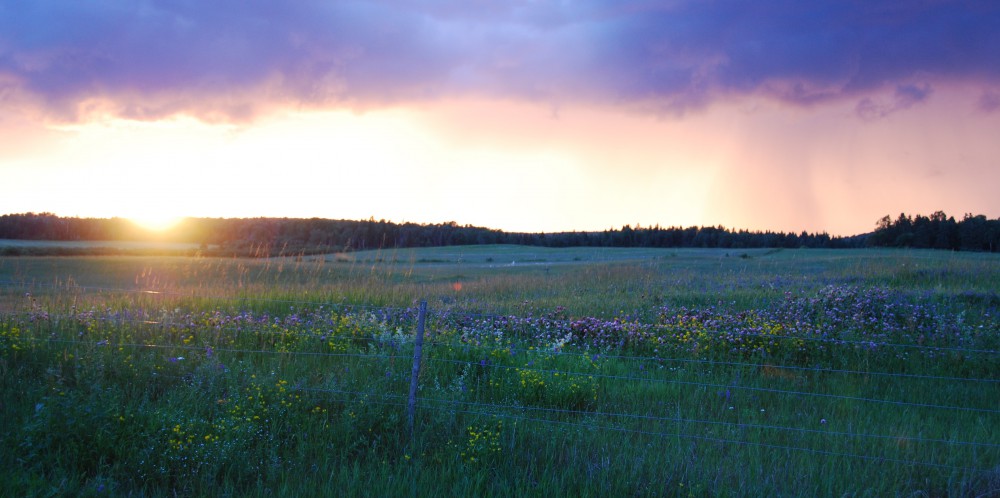
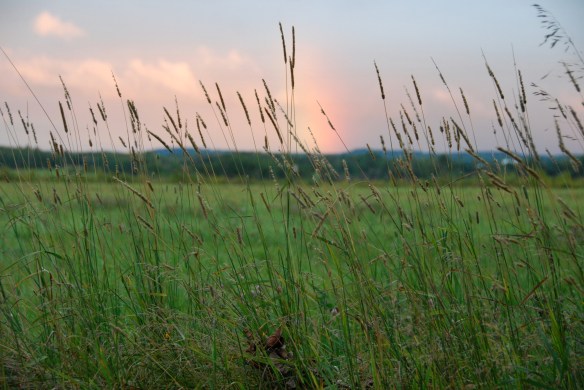
Grass, it’s safe to say, is the Rodney Dangerfield of crops. Like the old-time Borscht Belt comedian who spat out one-liners while twisting his tie, it’s part of the landscape. Its shtick is too familiar. It gets no respect.
I was reminded of this at a meeting that brought scientists and farmers together. The science types – most of them studying grassland birds – were using the jargon of their trade. They divided farm fields into “intensive agriculture,” including corn, soybeans, and horticulture, and “non-intensive agriculture,” – hayfields and pastures.
The lingo carried on until, late in the day, Lambton County cattleman and cash cropper Chad Anderson stood up and cleared his throat. This whole “intensive non-intensive” thing, he said, really stuck in his craw. Grass is not a second-class citizen, he said. Getting the most out of pasture demands sophisticated management, intensive management, and at least as much or more brainpower than any other crop. Then there are the ancillary benefits of more grass on the landscape: soil fertility, water quality, carbon sequestration, and sustenance for everything from pollinators to birds and wildlife. Continue reading
 Empire of grass