
A story in the morning newspaper highlights a loss so subtle, it may have escaped your notice. During the past 40 years, according to the most recent survey, about 1.5 billion of North America’s land birds – out of a population of about 11.5 billion – have disappeared from our skies.
The causes are complex: urban expansion, changes in agriculture, and climate change, among others. Some declines remain mysterious. Why are so many “aerial insectivores” – birds that eat insects – disappearing? Are there really fewer insects flitting overhead or smearing car grilles now, compared to 40 years ago? And if that’s true, what does it say about our environment?
In short, it suggests we have significant problems. As a group, birds tend to be well adapted to their environment. So when 86 of North America’s 450-odd breeding bird species are vulnerable to outright loss, that’s a symptom of rapid and widespread change on our shared landscapes. As the report, Partners in Flight Landbird Conservation Plan reads, “birds are excellent indicators of overall environmental health—and their loss signals danger.”
Prepared by a coalition of government agencies, universities, and conservation groups, the document notes even relatively common birds are showing significant declines. Examples include the grasshopper sparrow (the classic “little brown job” — not much to look at, but a big voice and a familiar call), the swooping common nighthawk, and even the common grackle. (A bird my grandfather blamed for eating his corn.)
“All of these species have lost from 50%-90% of their populations since 1970, and most are projected to lose another 50% within the next 20-25 years,” the report continues.
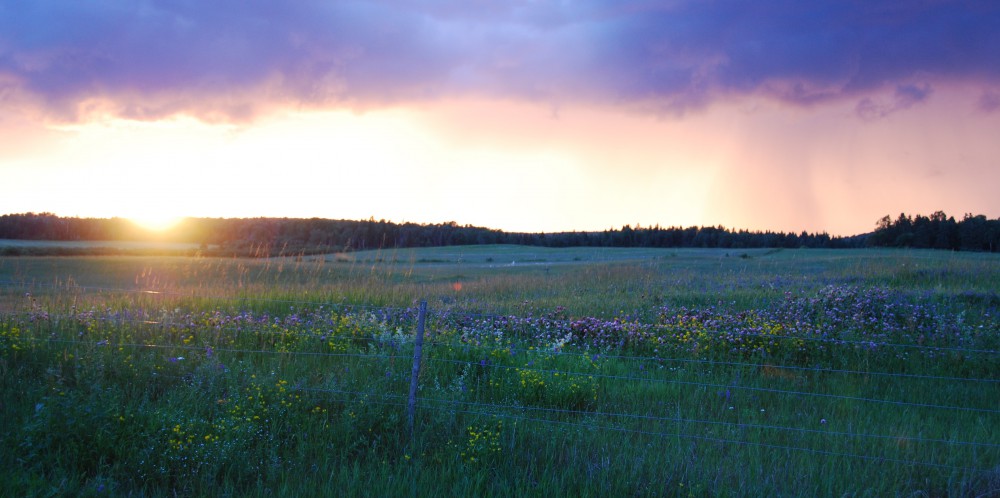
On the list of 24 birds in steep decline, “more than half are dependent on rural and agricultural landscapes, where loss of pastures and weedy margins, intensified crop production, and increased pesticide use are creating hostile environments for birds and other wildlife.”
But if farmers are part of the problem, we can also play significant roles in the solution. As Partners In Flight notes, “reversing steep declines in grassland and aridland birds—which also make up 30% of all Watch List species—will require shifts in farming and grazing policies and practices that are compatible with economically viable and sustainable working landscapes.”
That last point, about economically viable working landscapes, is the key: farmers will only be around to help if they can stay in business. Fortunately, a well-managed agricultural grassland can be productive in the traditional agricultural sense, while offering wider environmental benefits, too.
When I started this blog, I intended to explore the development of grass and the human relationship with it, and talk about the role this ubiquitous plant plays in our lives today. I’m still getting there. The hope is to talk about the genesis of grass and related plants this winter.
In the meantime, the blog’s emphasis on birds has come as a bit of a surprise to me. I don’t really consider myself a birder. Until the problem of declining grassland birds dropped in my lap (almost literally) I didn’t give much thought to my farm’s impact on the skies. Now I see it as one of the key conservation challenges our operation faces. In the next post, I’ll discuss some of the solutions we’ve considered here, along with additional ideas from bird-savvy growers.
-30-
 Empire of grass